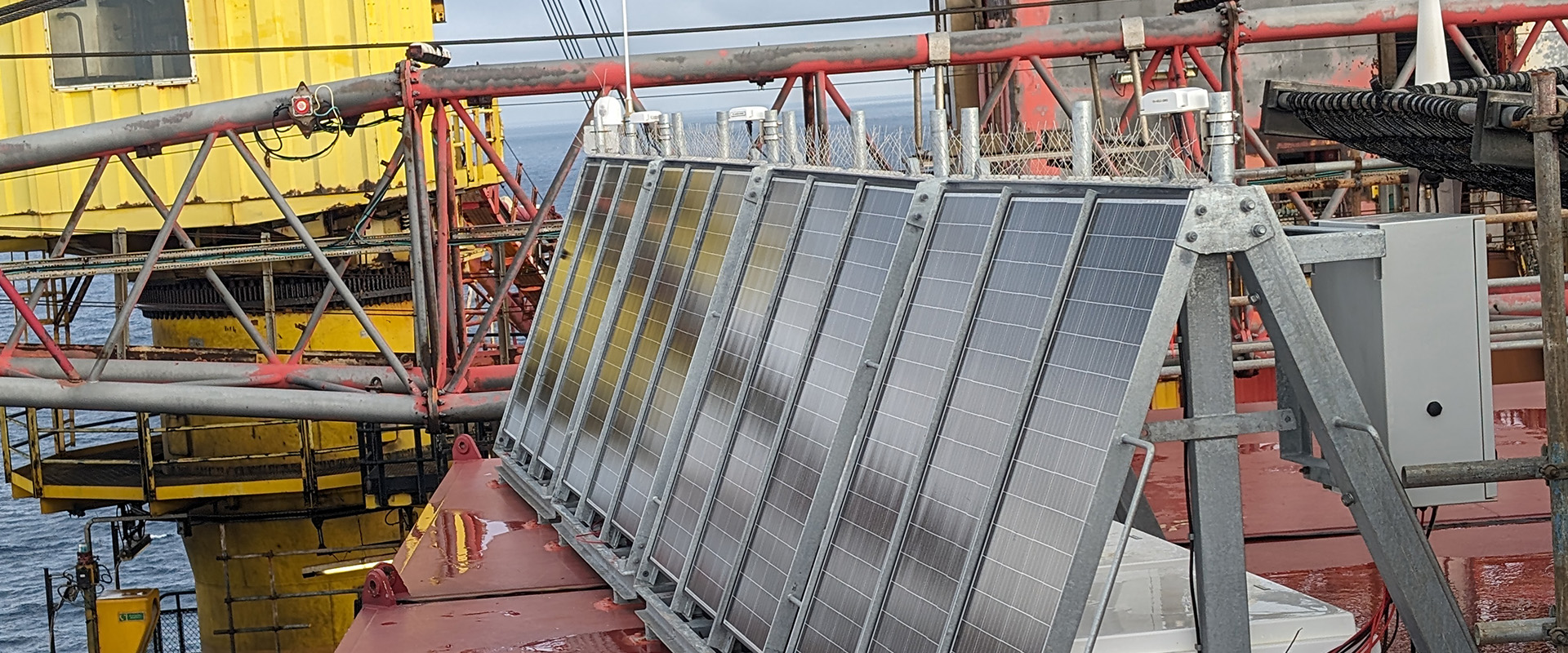
TAQA Lighthouse mode
Our client’s request
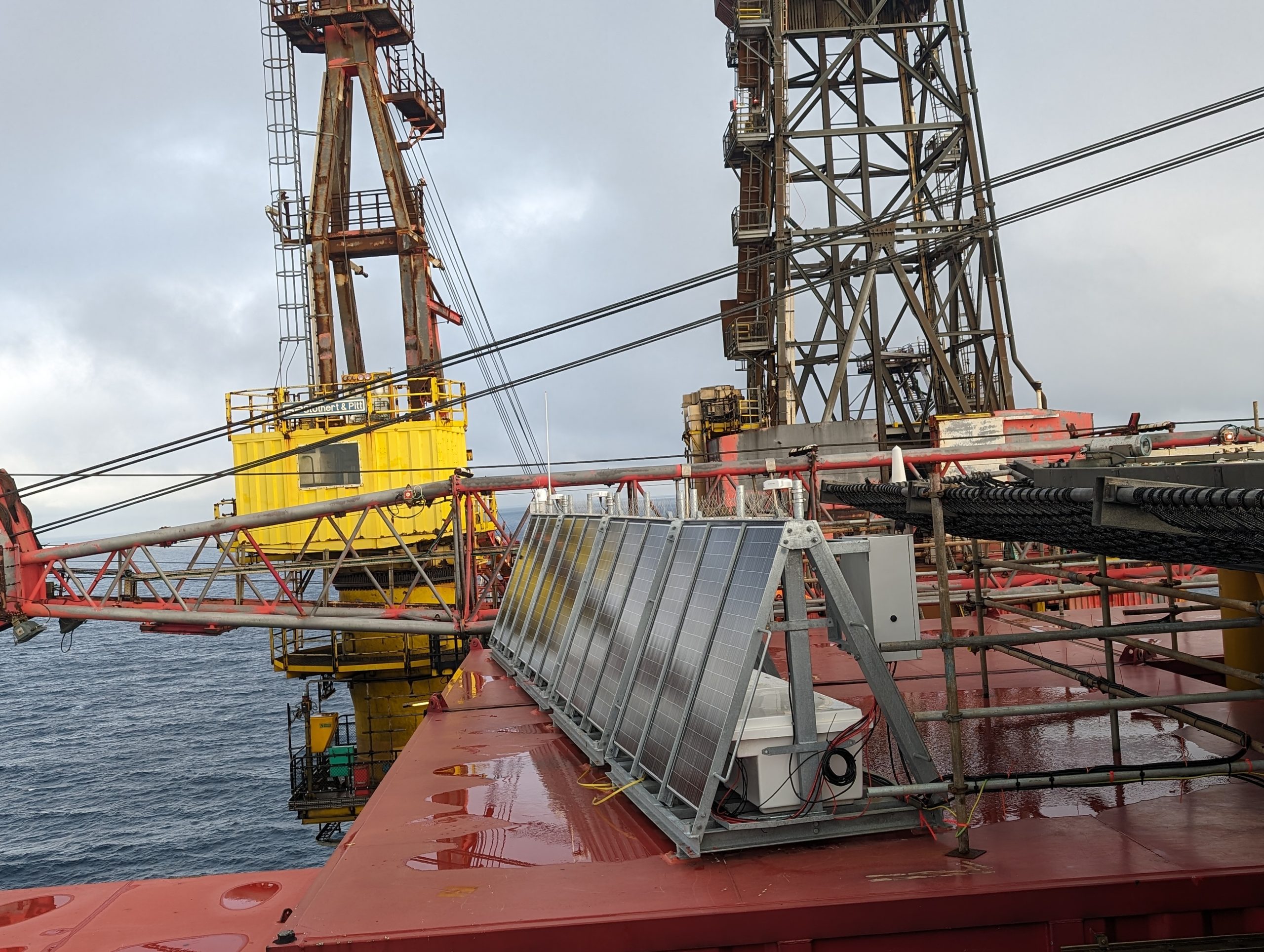
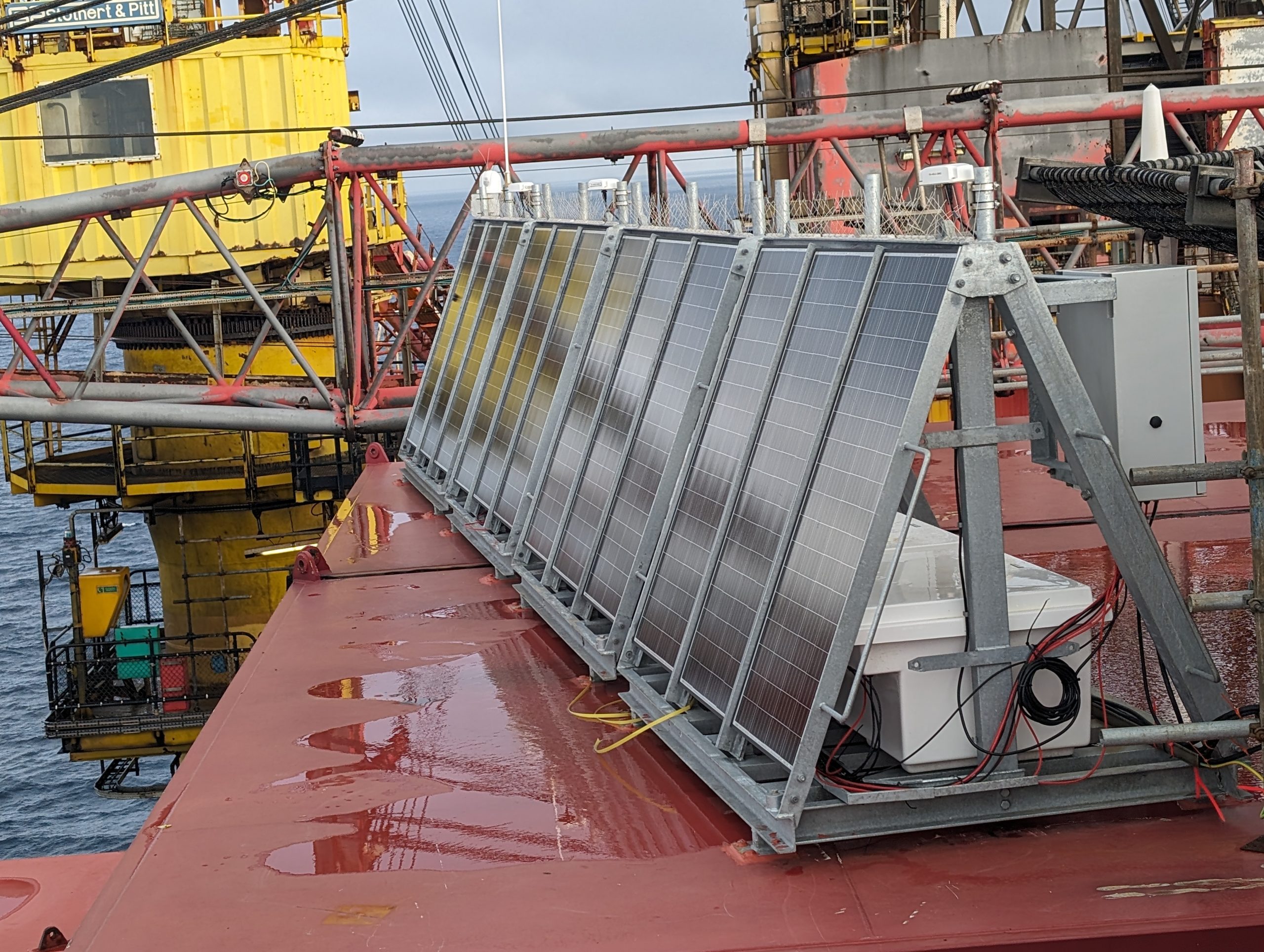
TAQA requested a self-supporting decommissioning solution for the Aids to Navigation prior to the removal of the topside. The solution would place the structure into lighthouse mode, ensuring continued navigational safety until the heavy-lift vessel removed the topside.
The challenge
The self-supporting decommissioning solution was to be installed in the northern part of the North Sea. This location presents harsh weather conditions, along with reduced daylight hours due to the high latitude. These operational challenges were combined with the requirement for the smallest possible footprint and low overall weight, in order to maximise flexibility and mounting options.
Project information
Client
 TAQA
TAQA
Date
| Start: | April 2024 |
|---|---|
| End: | August 2024 |
Location
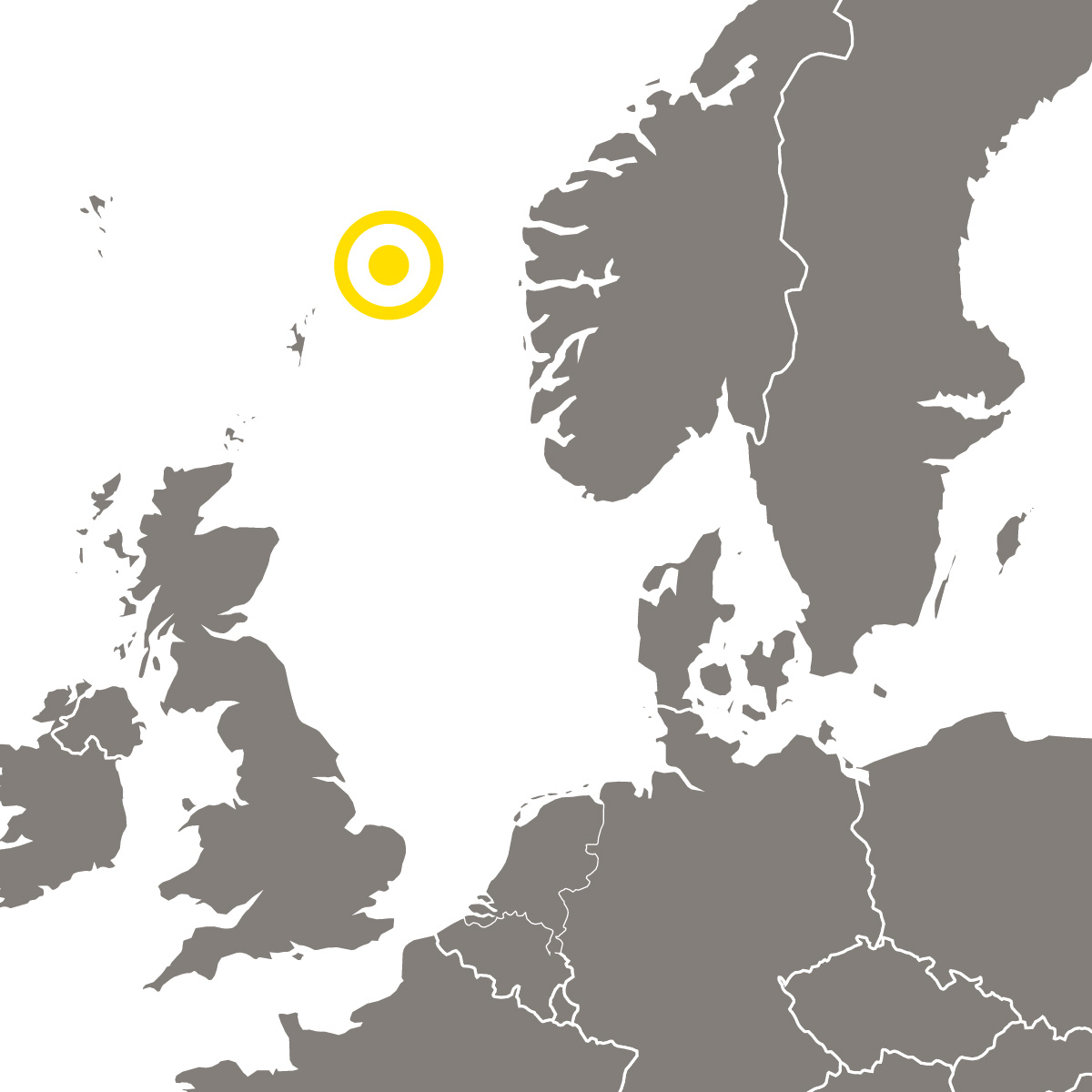
North Sea
Tidelands Solution
The Syncrolan DECOM LITE Modular Decommissioning Solution has been designed using Orga and Tideland’s latest LED lantern technology. This provides a standardised, cost-effective and easy-to-install solution for Temporary Uncertified Applications and decommissioning projects, including long-term lighthouse operation.
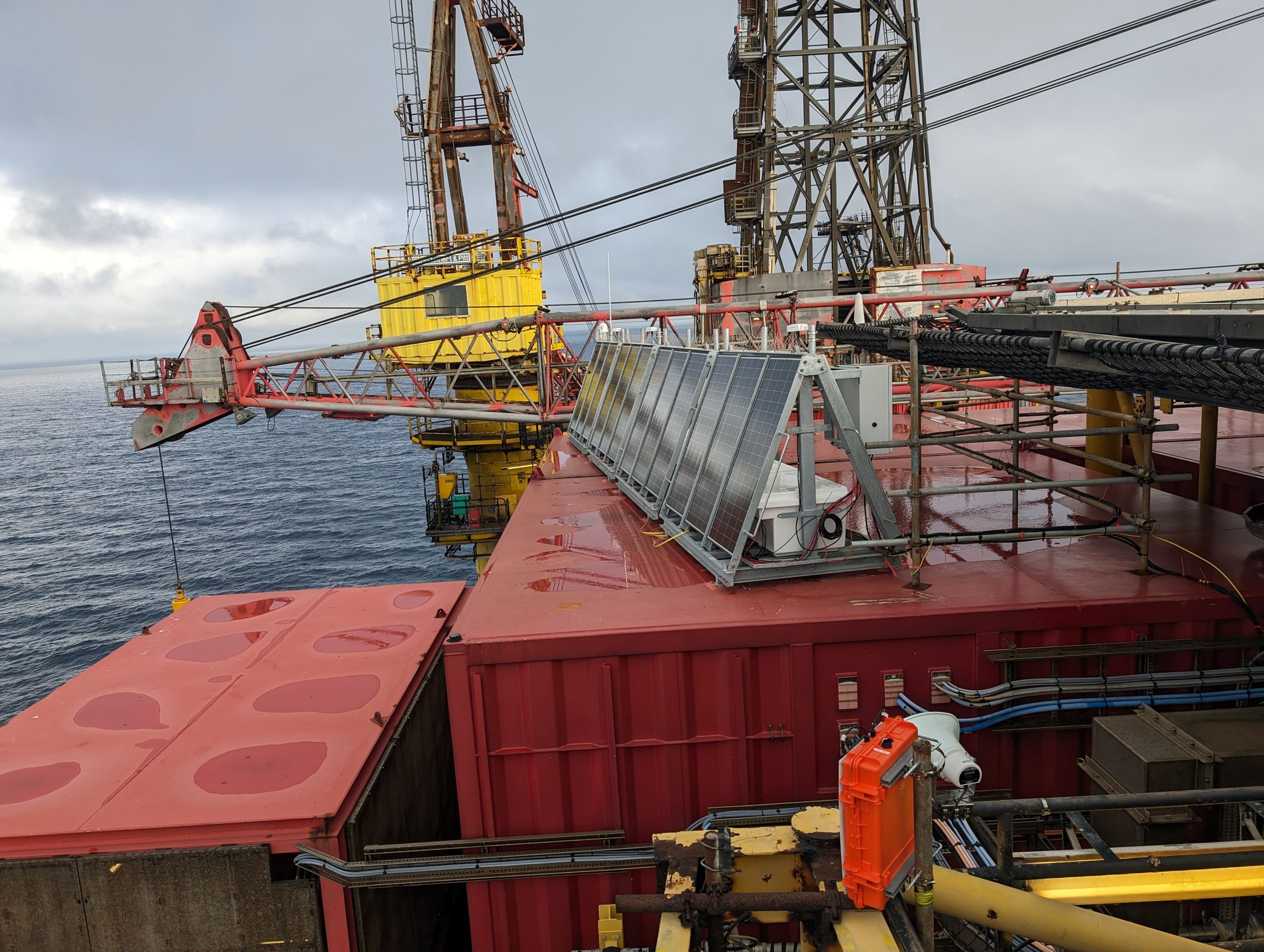
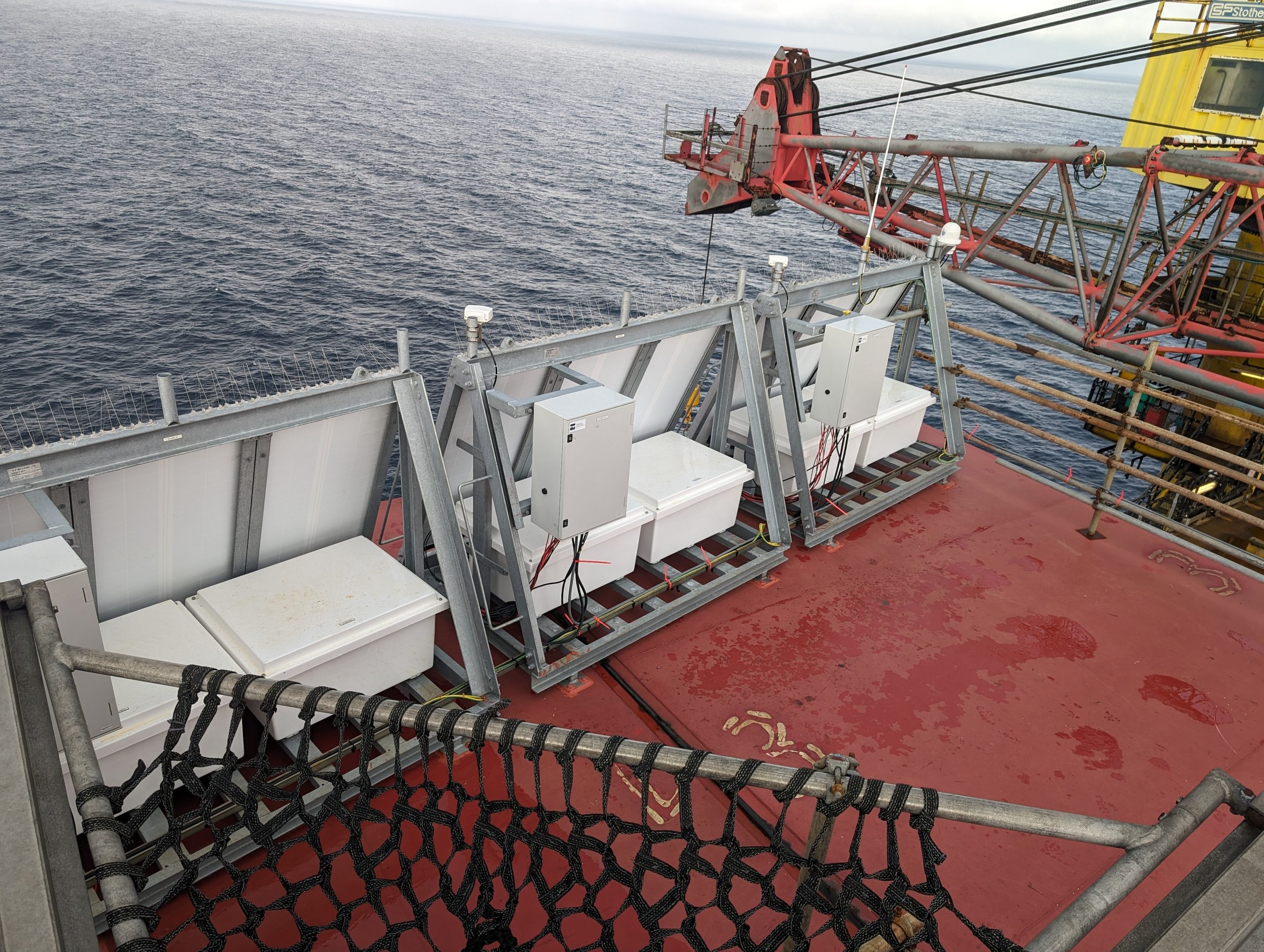
Based on a standardised Modular Power Skid Unit, the system can be configured to operate combinations of Marine Navigation Lanterns, Racon (Radar Beacon), AIS AtoN Transponders and Aeronautical Obstruction Lights (AOL).
The skids have been designed to deliver very high autonomy at latitudes up to and including 61 degrees North, making them suitable for deployment throughout the North Sea and other similar regions.
The system architecture is deliberately kept simple to minimise the number of components and, consequently, the number of potential failure points. Each Navaid Skid operates a main 10‑nautical‑mile light and a backup 10‑nautical‑mile light, providing redundancy by backing up the main light on the opposing skid. Skid 1 is equipped with an X‑ and S‑band Racon, while Skid 2 includes a Type 3 AIS AtoN Transponder, serving as a backup or alternative to the Racon. This configuration ensures full redundancy for all lights and electronic navigation aids, as well as 100% redundancy in the power systems. Two additional skids power the main and standby aeronautical obstruction lights (AOL).
Each skid is also fitted with a Satellite Remote Monitor (SRM) terminal, which transmits light status, Racon status and battery voltage to the web portal twice daily, or immediately in the event of an exception. These SRM units can also be polled directly from the web portal. The main and backup lights and the Racon are mounted separately in optimal locations using handrail-mounted brackets and connected back to the skids.
Currently 5 of these systems have been operational for this client of which one of the systems has since been superseded by a similar solution used for marking the jacket following the removal of the topside. The original system for the topside is currently in storage and scheduled for redeployment in late 2026, making this an ideal and versatile solution applicable to a wide range of offshore projects.
"A great oppertunity to overcome both technical- and environmental challenges in one solution!"
 "A great oppertunity to overcome both technical- and environmental challenges in one solution!"
Jeroen van Wolferen
Tideland Signal